Largest Gap
Dark green and vitamin A vegetables have the weakest intake share.
This research translates nutrition and activity signals into intervention priorities for universities. The strategic aim is to sequence programs that move student eating behavior from high-risk routines toward more balanced, practical diet quality gains.
Largest Gap
Dark green and vitamin A vegetables have the weakest intake share.
Immediate Lever
Nutrition literacy should launch before more expensive structural programs.
Execution Rule
Segment by readiness and schedule constraints, not one-size-fits-all rollout.

Vegetables (Dark Green/Vit A) show the weakest reported consumption share, defining the first intervention target.
Driver mapping combines knowledge and activity pathways to move from descriptive results to sequenced action.
Campus rollout should be segmented by readiness and routine constraints instead of one-size-fits-all deployment.
Universities need intervention sequencing, not static reporting. The study links knowledge, activity, and constraint patterns to diet-quality behavior so teams can decide which action should be activated first.
Sample Context
n = 280 students
Primary Lens
Regression drivers
Target Outcome
Diet quality shift
Priority Mode
Illustrative index
Evidence source: Reported sample framing (n = 280) is documented in
FCBEM-029-Nutrition.pdf.


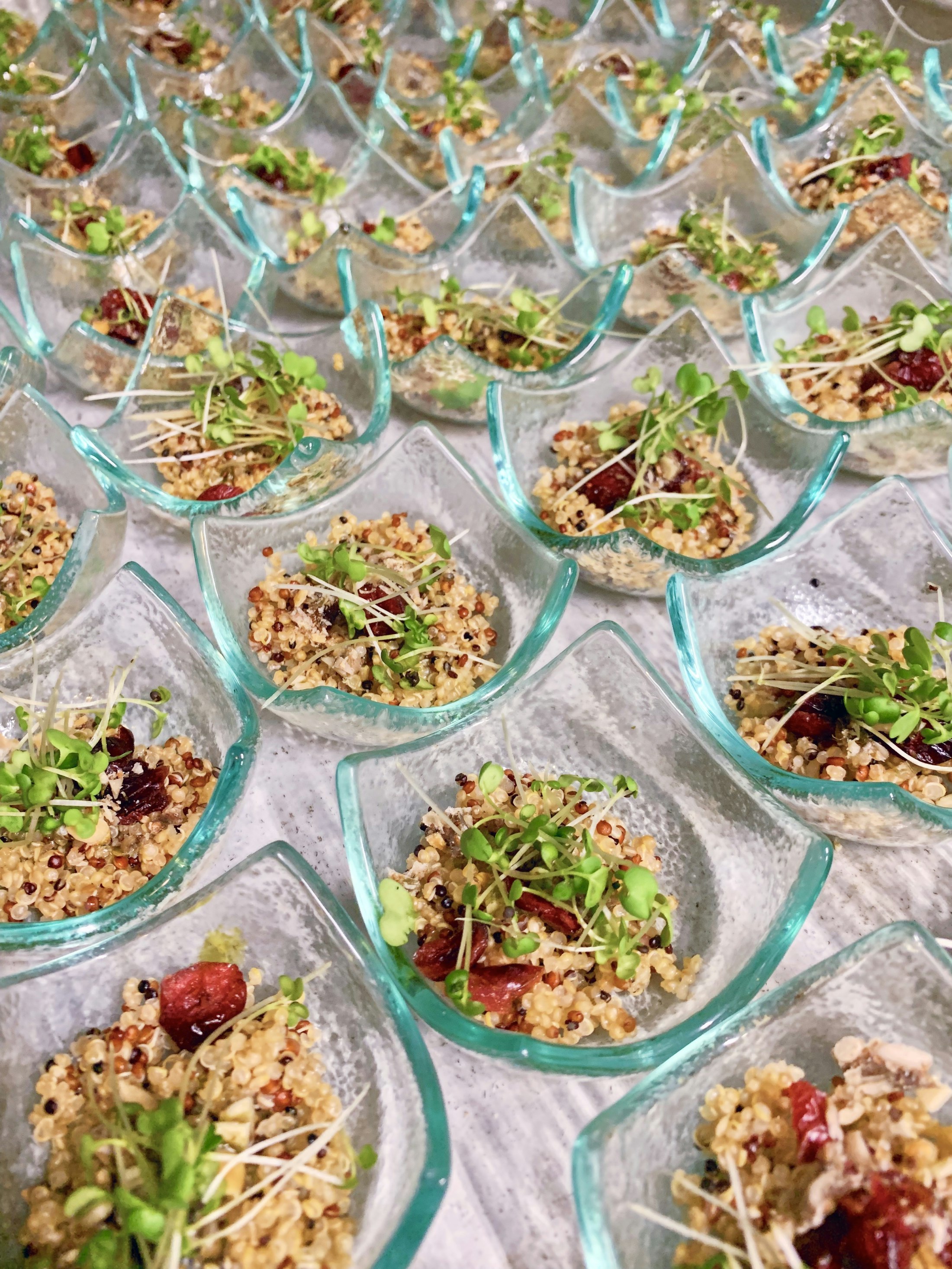
The previous visual pair was too abstract for this page. These high-resolution visuals match the research theme more directly and stay grounded in observable campus context.


This module separates what is reported versus what is not yet reported. Diet outcomes below come from the university student sample
(n = 280), while knowledge-level distributions are intentionally not estimated on this page.
Diet outcomes loaded.
Local-file mode detected (file://). Fallback interaction is enabled.
Run: npm run preview
Open: http://127.0.0.1:4173/research-nutrition.html
Reported metrics: directly shown in source artifact.
Derived interpretation: qualitative translation from reported context.
Reported metrics
Sort by
Reported method + qualitative interpretation
Knowledge level distribution not reported on this page.
Visible summary
What was captured: Validated nutrition literacy and food-decision understanding items from the student survey instrument.
Why it matters: Distinguishes whether diet quality constraints are driven by understanding gaps versus context or routine constraints.
Action domain: First-wave nutrition literacy curriculum and targeted decision-support materials.
Start with foundational nutrition literacy, then pair it with routine physical-activity programs so behavior reinforcement is structural rather than one-off. Delivery intensity should be segmented by readiness instead of uniform campus-wide rollout.
Track diet-quality movement iteratively and re-prioritize interventions where progress stalls, so resources stay focused on the highest-constraint student groups.
Step 1
Deploy validated instruments for nutrition knowledge and physical activity capture.
Step 2
Build outcome scoring structure aligned to global dietary recommendations.
Step 3
Account for demographic and routine variation to isolate actionable drivers.
Step 4
Estimate directional associations between drivers and diet-quality outcomes.
Step 5
Convert model outputs into phased campus health intervention priorities.